5 Reasons Experiential Marketing Belongs in Your Marketing Strategy
How strategic partnerships, in-person experiences, and community engagement can create meaningful connections while supporting measurable business growth.

TOP | SKIRT | EARRINGS | NECKLACE | HEELS
Some of the strongest marketing does not begin with a campaign. It begins with a moment people remember.
Marketing has become increasingly focused on what happens behind a screen. We measure impressions, analyze engagement, track conversions and make decisions based on how consumers interact with brands online. Those numbers matter because they tell us where attention is going, what is influencing purchasing decisions and whether the strategy is producing results. But as businesses continue competing for attention across more platforms, what happens when someone experiences a brand in person matters too.
Experiential marketing gives businesses an opportunity to turn attention into interaction through community events, brand activations, strategic partnerships and cause driven initiatives. When the audience, partners, messaging and follow through are considered together, these experiences can do far more than generate awareness. They can strengthen trust, introduce a business to new customers, support acquisition, create valuable content, expand strategic partnerships and contribute to measurable growth.
Recently, through Parlay Collective, we had the opportunity to partner with Susan G. Komen, Kendra Scott Southlake and several local businesses for a breast cancer awareness event at Southlake Town Square. The goal was to bring the community together while encouraging registrations for Susan G. Komen’s MORE THAN PINK Walk in Fort Worth, but from a marketing perspective, the experience also demonstrated how many objectives can work together when an event is built with a larger strategy behind it.
We were not just bringing people into a retail space. We were introducing businesses to new audiences, creating personal interaction between brands and consumers, generating content and cross promotional opportunities, building relationships between participating businesses and supporting an organization whose mission extended far beyond the event itself.
That is where experiential marketing becomes much more valuable. An event may last only a few hours, but when it is connected to the broader marketing strategy, its impact can continue long after the room clears. These are five reasons experiential marketing belongs in your marketing strategy, along with tangible ways to approach it, measure it and create value beyond the event itself.

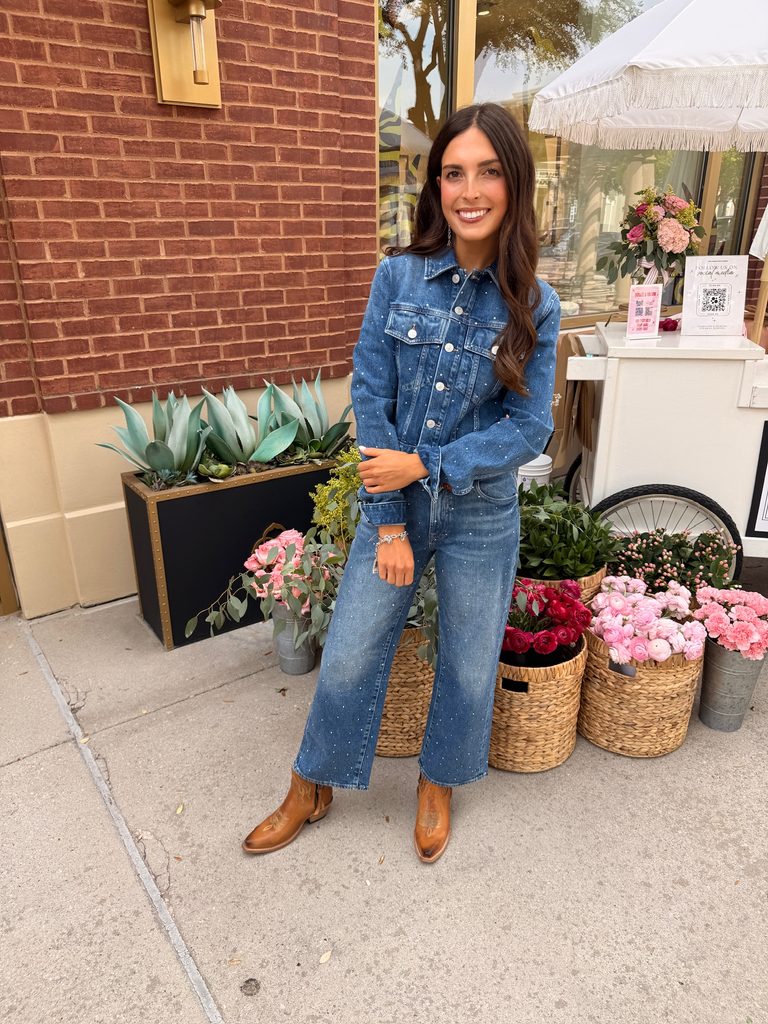
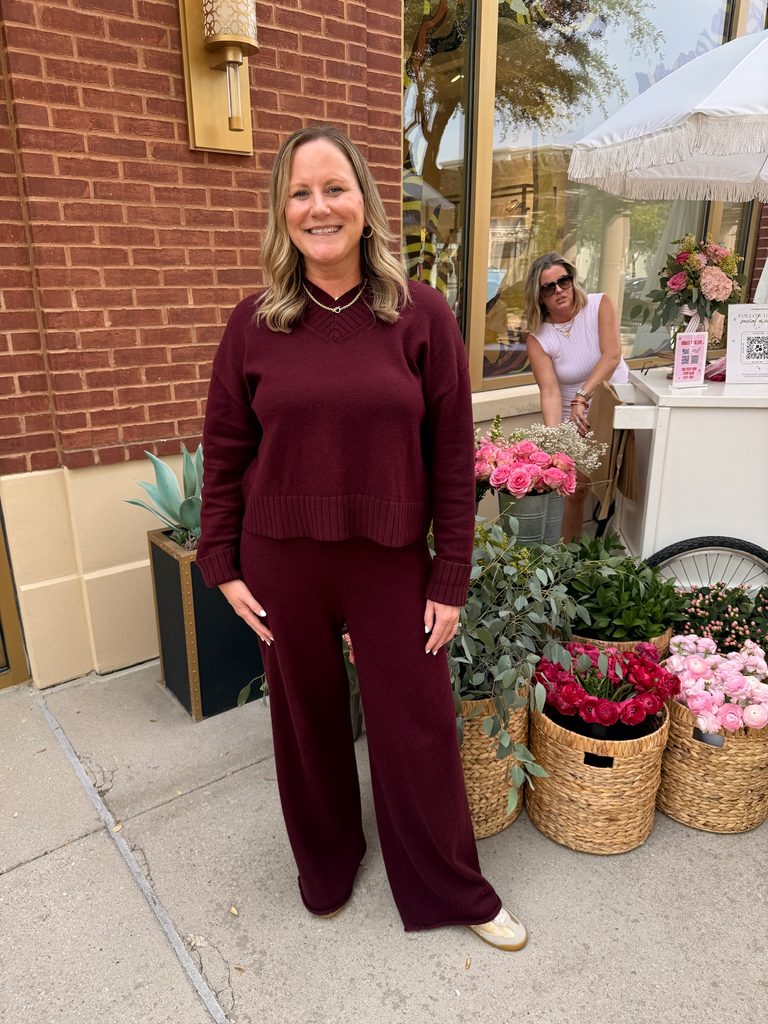
Such a special day with Julie Dobbs, Joy Rich and Emily Nance of Susan G. Komen Fort Worth, and former Dallas Cowboys Cheerleader Karley Swindel! So grateful for all our beautiful models, especially breast cancer survivors Sarah Mazza, Ashley Dennis, and Kaye L. Mariani. It was an honor to celebrate these incredible women!
Models Styled By: Altar’d State | Faherty | Kendra Scott | Splendid | 7 For All of Mankind
1. Build Trust Through In Person Experiences
Trust is one of the strongest reasons experiential marketing belongs in a broader marketing strategy because an in person experience gives consumers something traditional marketing cannot always provide: the opportunity to evaluate a business for themselves.
New 2026 research from Freeman, conducted with The Harris Poll, found that consumers who recently attended a brand event were five times more likely to trust that brand than consumers who had not attended one, with trust levels of 56% compared with just 11%. The same research found that 77% of attendees said the experience positively changed their belief in the brand, while 67% of consumers said AI generated content is making it harder to trust brand claims.
Purchase behavior reflects that increased confidence. EventTrack 2026 found that 61% of consumers are more inclined to purchase after attending a live event, while 85% of B2B attendees reported feeling more educated after participating in an in person experience.
Those numbers matter because consumers are making decisions in an environment where they are constantly being introduced to brands through social media, advertising, search, email, creators and other marketing channels. Those platforms are valuable for discovery, but seeing a brand repeatedly is not the same as developing confidence in it. An in person experience gives someone the ability to ask questions, interact with the people behind the business, experience a product or service firsthand and decide whether what they encounter aligns with what the brand communicates online.
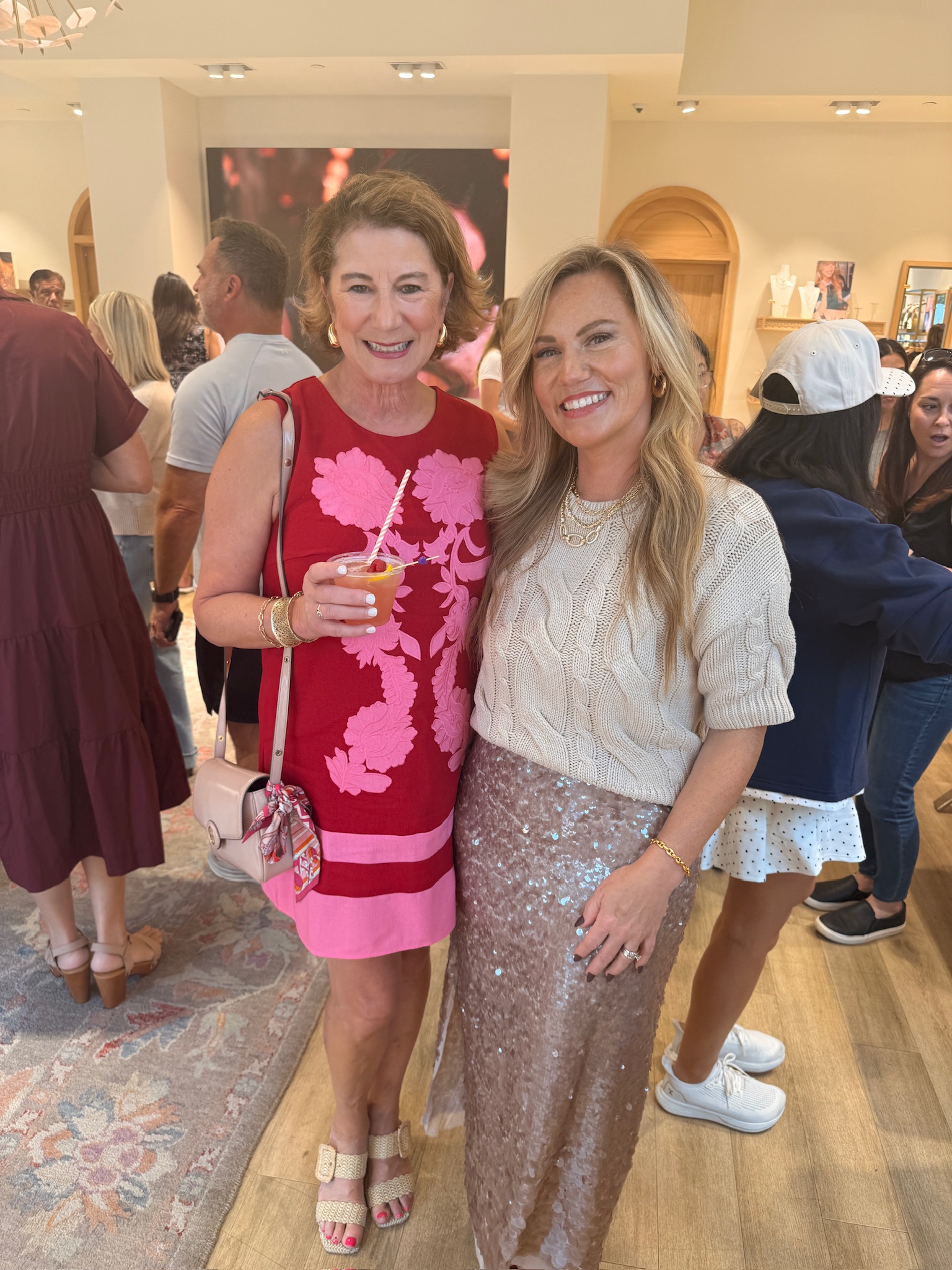
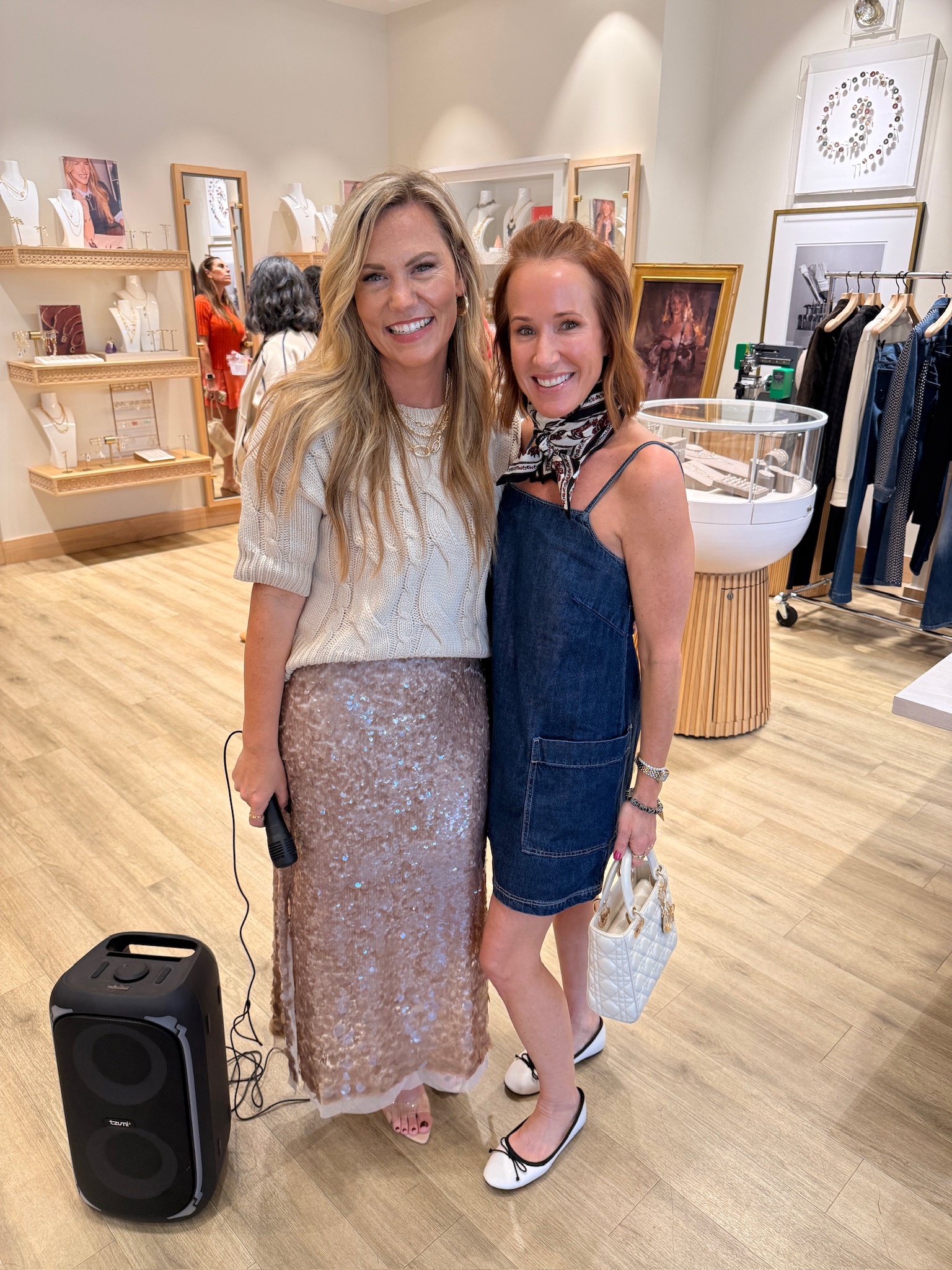
Our Susan G. Komen partnership demonstrated that in a very tangible way. Susan G. Komen supports breast cancer research, patient navigation, education, financial assistance and advocacy for individuals and families affected by breast cancer. According to the organization, approximately every two minutes, someone in the United States receives a breast cancer diagnosis, making awareness and community participation an important part of its work.
For our Southlake event, we wanted to create an environment where women could connect, support local businesses and learn more about participating in the MORE THAN PINK Walk. Kendra Scott provided an established retail setting with an audience already interested in fashion, accessories and personal style, while the participating retailers and businesses gave attendees additional reasons to engage with the experience.
The result was not just exposure for the businesses involved. Attendees could interact with the brands, meet the people behind them, discover products in person and understand how each organization contributed to the larger purpose of the event. For Susan G. Komen, that same environment created an opportunity to have conversations about its mission and introduce more women to ways they could participate.
For business owners, this is where the planning should begin. Ask what someone could understand about your business in person that would be difficult to communicate through an advertisement or social post alone. For a retailer, that might be fit, quality, styling or product education. A beauty company might use demonstrations or consultations, while a service based business could host a workshop, client dinner or small educational gathering that allows prospective customers to experience its expertise before making a larger commitment. A product based company might use sampling or demonstrations to show how the product performs rather than simply telling consumers what it does.
The size of the event is less important than the relevance of the audience. A dinner with 20 highly aligned customers, prospects or partners can create more value than a room of 200 people who have little connection to the business. The question is not how many people you can get into the room. It is who should be there, what you want them to experience and what you want them to understand about your business when they leave.
That is where experiential marketing can move a consumer from recognizing a brand to having a reason to trust it.
2. Reach New Audiences Through Strategic Partnerships
One of the strongest reasons to incorporate experiential marketing into a broader marketing strategy is the opportunity to reach audiences your business may not have access to on its own. The right partnership brings much more than another logo to an invitation. It can bring an established customer base, distribution channels, credibility, relationships, content opportunities and a different entry point into the market.
The word right matters because reach alone is not enough. A partner with a large audience is not automatically more valuable if that audience has little relationship to your customer, product or objective. Audience alignment, geography, purchasing behavior, reputation and what each partner is actually contributing should matter more than follower count.
Current research supports the value of these live connections. Bizzabo’s 2026 research found that 78% of event organizers consider in person conferences, summits and conventions their organization’s most impactful marketing channel, while 54% of attendees said they plan to attend more in person events than they did the previous year. In addition, 71% of attendees said in person B2B conferences are the most effective way to learn about new products or services.
Investment is following that interest. EventTrack 2026 reports that 84% of consumer marketers plan to increase event spending in 2026, while 86% of B2B marketers expect to increase theirs. That does not mean every business needs a larger event budget. It means the partnerships surrounding an experience need to be more strategic.

TOP | SKIRT | EARRINGS | NECKLACE | HEELS
Our Southlake event is a good example of how the right partnerships can expand both the audience and the value of the experience. Susan G. Komen brought the mission and an opportunity for community involvement, Kendra Scott provided an established retail location and customer base, participating fashion retailers contributed product and styling opportunities, and local businesses brought their own customers, relationships and promotional reach.
Those businesses did not all sell the same thing, but the audiences connected enough for the partnership to make sense. That is what made the collaboration stronger. Each partner had a different role, but every contribution supported the same larger objective.
The value also extended beyond the people physically attending. Each participating business had its own email list, social audience, customer base and professional relationships, which meant the event could be promoted through several different channels rather than depending on one business to generate all of the awareness on its own.
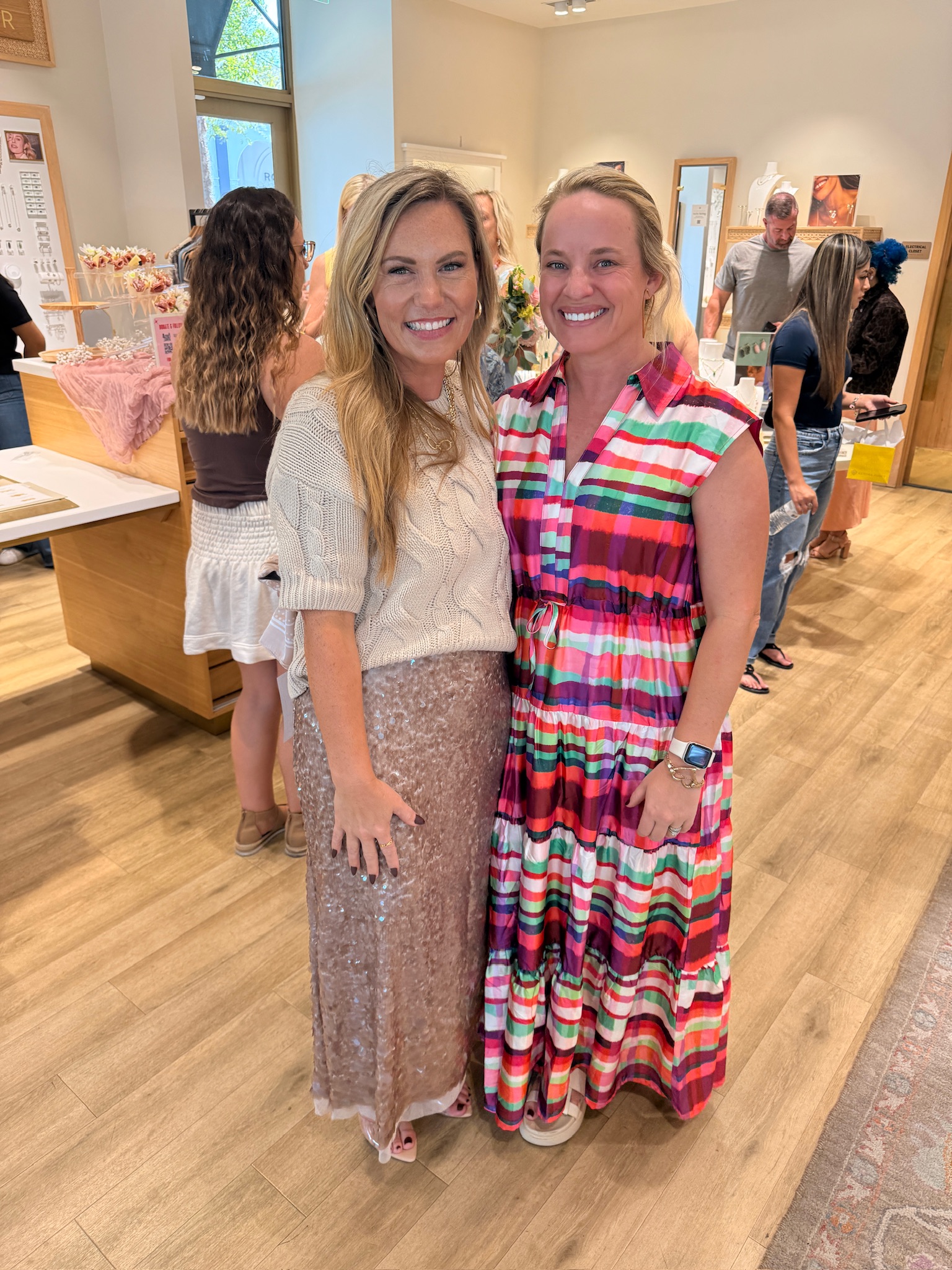
For business owners, the directive is to evaluate partnerships based on what each party can contribute and what each party receives in return. Instead of beginning with, “Who can sponsor this?” start with the audience you want to reach and identify the businesses, organizations or creators that already have a legitimate relationship with that audience.
One partner may provide the venue, another may contribute products or samples, another may have a strong customer email list, and another may bring content creation or media relationships. A nonprofit may provide the mission that gives people a reason to participate, while a creator or local business may help extend the event into an audience you would not otherwise reach as efficiently.
The promotional structure should also be established before the event is announced. Determine which partners will email their customers, who will create social content, whether each business needs a unique registration link, how names and logos will appear, what content each partner will receive afterward and how everyone will continue communicating once the event is over.
A strong partnership should not exist simply to increase the number of businesses attached to an event. It should expand access, strengthen the experience and create value for every audience involved.
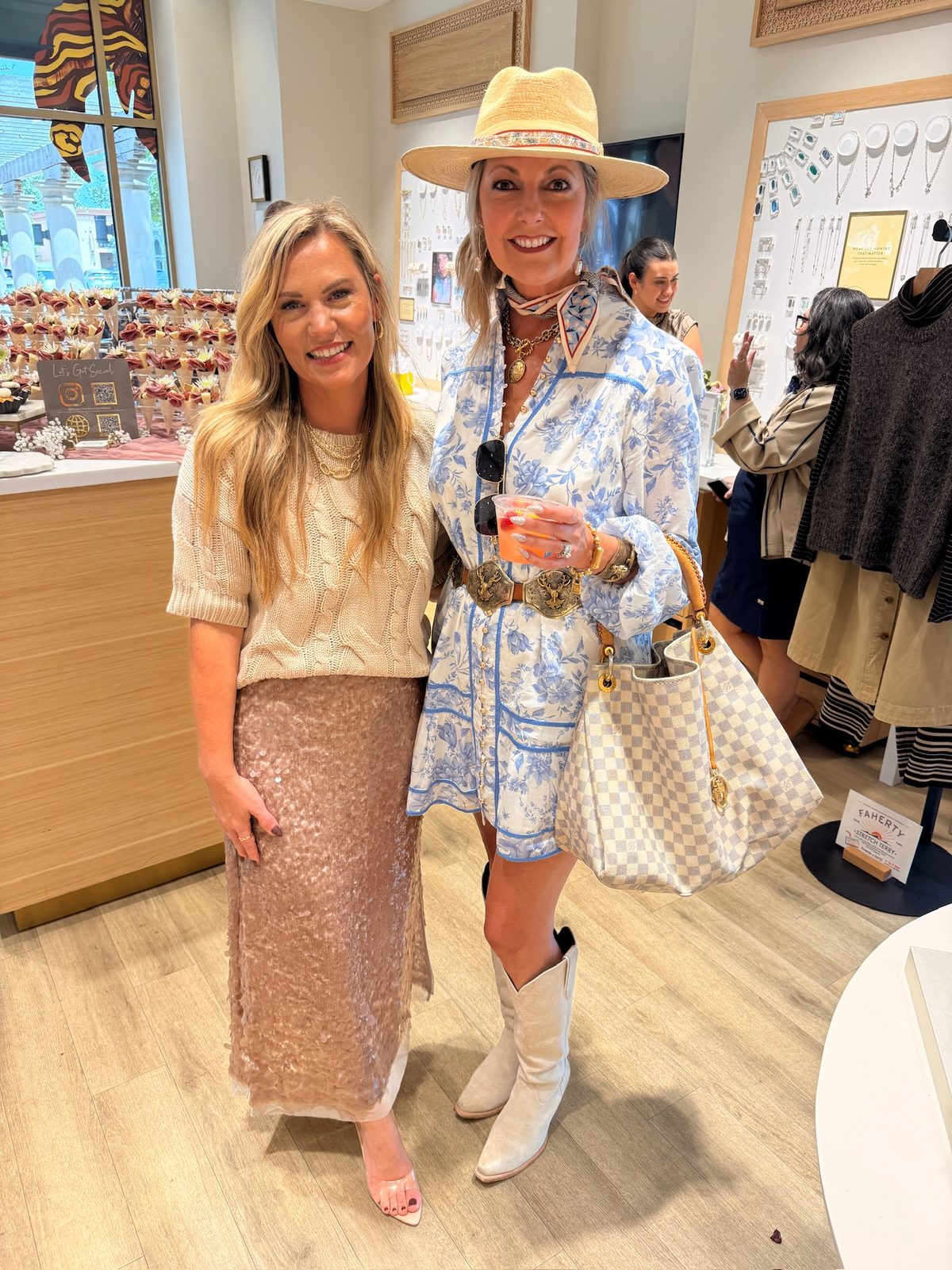
TOP | SKIRT | EARRINGS | NECKLACE | HEELS
3. Create Experiences That Give People a Reason to Participate
There is an important difference between hosting an event and creating an experience. A venue, refreshments and a guest list may technically constitute an event, but experiential marketing requires businesses to think about what the attendee is actually going to feel, do and remember once they arrive.
Current research supports that distinction. Bizzabo’s 2026 event research found that 95% of organizers consider experiential learning important, while 75% believe immersive experiences that allow attendees to disconnect from their normal environment are important. At the same time, only 15% of organizers rated their networking experiences as very effective.
That 15% matters because putting people in the same room does not automatically create meaningful interaction. Participation has to be designed, and the strongest experiences make the guest feel like they are part of what is happening rather than simply observing it.
Freeman’s 2026 research found that 70% of attendees rank in person events as their number one source of professional learning, ahead of webinars, on demand platforms and social channels. Another Freeman study found that attendees would ideally spend 54% of their learning time outside traditional session rooms, increasing to 64% at trade shows, with people placing significant value on peer conversations, exhibitor interaction, demonstrations and informal learning.
The takeaway is that people want more than passive attendance. They want a reason to engage with the environment, the people and the brands around them, and they want the experience to feel personal.


Fashion and accessories gave attendees a natural way to interact with the participating businesses while supporting the larger purpose of the event, but what made the experience memorable was how personal it felt. Styling, personalized accessories, the bouquet experience and thoughtful details gave guests something to participate in, but they also made each person feel considered rather than processed through an event.
That matters because people remember how an experience made them feel. A thoughtful gift, a personalized interaction, being welcomed by name, receiving something created for them or having a moment designed around their participation can create a sense of excitement, gratitude and connection that extends beyond the event itself. That emotional response is what creates the buzz people talk about afterward, share with others and associate with the brands involved.
For Susan G. Komen, the objective included awareness and participation in the MORE THAN PINK Walk. For the retailers, the opportunity included customer interaction and product discovery. The experience worked because the guest was not treated as an audience member standing on the outside. She was part of it.
That is the distinction businesses should think about when designing experiential marketing. The goal is not to give people more things to look at. It is to give them a reason to feel included, appreciated and connected to the experience.
For business owners, the activity should connect directly to the result you want the event to produce while still centering the guest experience.
If product education is the goal, create an experience that allows people to interact with the product in a way that feels useful and personal. A retailer might use styling appointments, personalization, product previews or gifting. A beauty company could offer consultations or product education. A restaurant could create a chef led tasting. A home brand could allow consumers to touch, test and compare products rather than simply seeing them displayed on a table.
If customer acquisition is the priority, build registration and contact capture into the experience without making the interaction feel transactional. If relationship building is the objective, create structured opportunities for attendees to meet relevant people and make sure they feel welcomed and considered rather than left to navigate the room on their own.
The budget should follow that objective as well. Businesses can spend a significant amount of money on decor, entertainment and additional activities that look impressive but do very little to support the reason the event exists. Three elements executed extremely well can create more value than ten disconnected activities competing for attention.
Before adding anything to the experience, ask whether it makes the guest feel more connected, helps them understand the brand, encourages participation, creates a useful relationship or supports the objective of the event. If it does not, it probably does not need to be there.

4. Turn One Experience Into Ongoing Marketing Content
The value of experiential marketing should never be limited to the hours an event is taking place. One of the largest missed opportunities I see is businesses investing in the venue, staffing, catering, products, partnerships and promotion while treating content capture as something they will figure out once everyone arrives.That leaves a significant amount of marketing value on the table.
EventTrack 2026 found that 52% of B2C marketers identify content creation as their top investment for the current fiscal year, which reinforces why an event should be viewed as both an experience and a content production opportunity.
Attendees can extend that value even further. Research compiled by Cvent reports that 72% of consumer packaged goods event attendees shared or posted brand content after an event, while 61% of technology event attendees did the same. The same research found that attendees who shared their event experience on social media reported 61% higher purchase intent than those who did not, while receiving post event communication increased purchase intent by 45%.
That changes the value of an event considerably because the audience is no longer limited to the people physically standing in the room. When attendees, creators, participating businesses and sponsors begin distributing content through their own channels, one experience can continue reaching new audiences long after the event ends.



Our Susan G. Komen partnership created several different stories from one experience. There was the larger message around breast cancer awareness and participation in the MORE THAN PINK Walk, but there was also fashion, styling, community involvement, local business collaboration, the participating retailers, the women involved and the strategy behind bringing those pieces together.
That meant the event could support more than a recap post. Photography and video could be used to highlight the mission, participating brands, products, personal stories and community involvement across social media, newsletters, blog content, public relations and future event promotion.
The participating businesses also created additional distribution opportunities. Each partner had its own audience and communication channels, which meant content from one event could move through several different networks rather than relying on a single brand to carry the story.
That is where the content value becomes much larger than documenting what happened. The event itself becomes a source of marketing assets that can continue supporting the businesses and organizations involved after the experience is over.
Content planning should happen before event day, not while the event is already underway. Create a capture plan that identifies the people, products, interactions and partners that need to be photographed or filmed, and determine in advance where those assets will be used.
Think beyond a single recap. Identify what you need for social media, newsletters, blog content, advertising, public relations, partner recognition, case studies and future event promotion. Determine which content needs to be vertical, which moments require professional photography, whether testimonials should be collected and which partners need their own assets.
It is also important to assign responsibility. When the same team is checking in guests, managing vendors, answering questions and running the experience, content can quickly become an afterthought if no one owns it.
After the event, measure what happens to those assets. Did the content drive website traffic? Did partners redistribute it? Did attendees share it? Did it generate inquiries? Can the photography replace another planned content production expense? Can the video support paid advertising or a future campaign?
An event may last a few hours, but the content should continue creating value long after it ends.
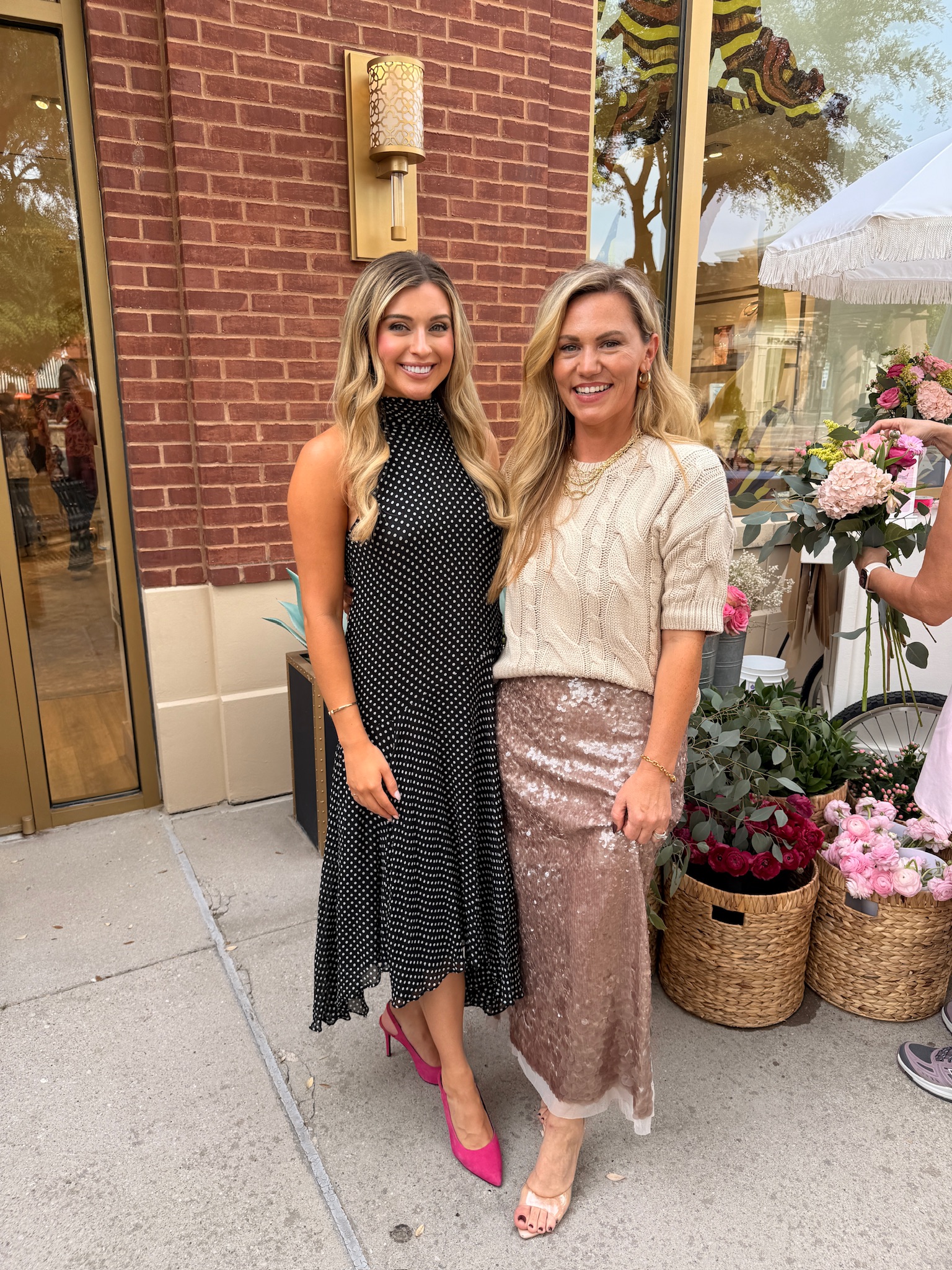
TOP | SKIRT | EARRINGS | NECKLACE | HEELS
5. Measure the Impact Beyond Attendance
Experiential marketing still has to answer the same question as every other marketing investment: What did the business gain from it?
That answer will not always be immediate revenue. The objective may be awareness, customer acquisition, education, retention, product discovery, community development, strategic partnerships or lead generation. What matters is that the objective is established before the investment is made so the business knows what to measure afterward.
Bizzabo’s 2026 research found that 40% of event organizers still struggle to prove event ROI, although that has improved substantially from 70% in 2025. That shift matters because event measurement is becoming more sophisticated, and businesses are moving beyond registration totals and attendance to look at pipeline influence, customer retention, deal progression and revenue.
Even the registration process can affect performance. Bizzabo’s platform data found an overall visit to registration conversion rate of 21.5%, while dynamic registration experiences converted at 24.4% compared with 11.6% for static registration flows.
That is more than double the conversion rate based simply on how the registration experience is structured, which is a good reminder that measurement begins before the event even starts.
What Should Businesses Measure?
| Marketing Objective | What to Measure |
|---|---|
| Brand Awareness | Reach, impressions, website traffic, brand mentions |
| Event Participation | RSVPs, attendance, registrations, conversion rate |
| Audience Engagement | Shares, link clicks, conversations, content engagement |
| Customer Acquisition | Email sign ups, new contacts, qualified leads |
| Partnership Development | Referrals, introductions, cross promotional reach, new relationships |
| Revenue | Event sales, attributable purchases, inquiries, opportunities created |
| Long Term Value | Repeat engagement, returning customers, continued partnerships |
Attendance was only one part of the picture. The larger objective included awareness and participation in the MORE THAN PINK Walk, which meant the more meaningful questions were whether attendees expressed interest in the walk, whether registrations could be attributed to the event and whether the content and conversations created additional engagement after the experience ended.
For the participating retailers and businesses, the measurements were different. A retailer could look at customer interactions, product discovery, website traffic, sales or new contacts, while another partner might place more value on referrals, business introductions or future collaborations.
That is why every organization involved in the same event does not need to measure success the same way. The measurement should reflect what each business was actually trying to accomplish.
Before the event, decide what success actually looks like and build the tracking around that objective.
If registrations are the goal, use dedicated links or QR codes. If customer acquisition matters, capture email addresses with permission for follow up. If sales are the objective, establish event specific sales tracking, offers or POS reporting. If product discovery matters, track demonstrations, samples, inquiries and subsequent purchases. If partnerships are part of the value, document introductions, referrals, meetings scheduled and future opportunities created.
Attendance also needs context. Bizzabo’s 2026 platform benchmarks show an average 52% attendance rate across events where attendance was recorded, with high performing organizations averaging 412 registrations and 269 attendees per event. Registrations and actual attendance are not the same measurement, and neither one tells you what attendees did after they arrived.
Longer term value matters too. Someone may attend an event, follow the business that evening, join an email list several days later and make a purchase thirty days afterward. Another attendee may never become a customer but may introduce the business to a future client or strategic partner.
Cvent’s compilation of event engagement research found that purchase intent was 110% higher among attendees who networked and interacted with new people at an event than among those who did not. That is why follow up should be part of the plan before the event happens, not something added afterward.
After the event, review registrations versus actual attendance, website traffic from trackable links, email acquisition, sales, product interest, content performance, partner distribution, referrals, inquiries and any new business opportunities created. Then revisit those measurements at 30, 60 and 90 days when appropriate.
A full room and strong photographs can make an event look successful, but neither tells you whether the investment worked. The strategy comes from knowing what you wanted to accomplish, creating a way to track it and reviewing what happened because you brought those people together.




Applying Experiential Marketing to Your Own Business
Experiential marketing does not have to mean a large activation, national partnership or major production budget. A client dinner, collaborative shopping event, product demonstration, community initiative, workshop or small gathering can create the same type of value when the experience is built around the right audience and a clear objective.
The starting point should always be the business goal. Determine who you want to reach, what you want them to understand or do, and why bringing them together in person would create value that another marketing channel may not accomplish in the same way.
From there, identify the businesses, organizations, creators or community partners that naturally connect with that audience. Consider what each one can contribute, how the experience will feel for the guest, what content should be captured, how the event will be promoted and what you will measure afterward.
The most effective experiential marketing is not built around doing more. It is built around making each part of the experience work harder. The right partner can expand reach, the right activity can increase participation, the right detail can make a guest feel valued, and the right follow up can turn one interaction into a longer customer or business relationship.
Before committing budget, ask whether the experience supports a specific business objective, whether the audience is aligned, whether the guest has a reason to participate and whether you have a plan for what happens after the event ends. If those pieces are clear, the event becomes part of the marketing strategy rather than a separate activity sitting outside of it.
The Long Term Value of Showing Up
The strongest experiential marketing does not end when the event is over. Its value continues through the relationships created, the content captured, the audiences reached, the conversations started and the opportunities that develop afterward.
That is what stood out to me through our Susan G. Komen and Kendra Scott Southlake partnership. The event brought women together around an important cause, introduced attendees to participating businesses, created personal interaction between brands and consumers and gave each partner opportunities that extended beyond the few hours we were together.
The larger lesson is that experiential marketing should not sit outside the rest of your marketing strategy. It should connect directly to the same objectives businesses are already working toward through content, customer acquisition, retention, partnerships, referrals and revenue.
The event itself may be temporary, but the impact does not have to be. When the experience is built around the right people, supported by intentional partnerships, designed to make guests feel valued and followed by thoughtful content, communication and measurement, one event can continue creating value long after the room clears.
That is why I believe showing up still matters. Marketing can introduce someone to your business, but meaningful experiences can give them a reason to remember it, trust it and stay connected to it.
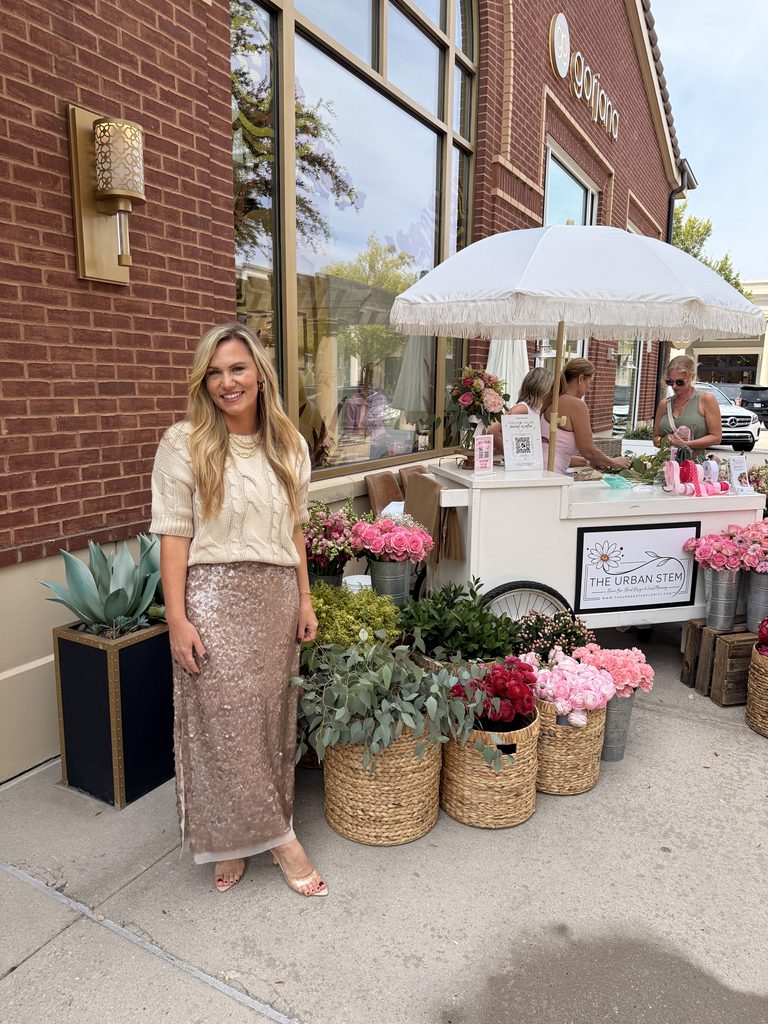
TOP | SKIRT | EARRINGS | NECKLACE | HEELS
I hope this gives you a more strategic way to think about experiential marketing and where it can fit within your own business. The goal is not to create an event simply to say you hosted one. It is to create an experience with purpose, connect it to the rest of your marketing, and make sure the time, budget and relationships invested continue creating value after the event is over.
I’ll continue sharing the strategies, data and real world experiences I am seeing across Parlay Collective and in my own business, especially where marketing, partnerships, content and customer behavior continue to evolve.

For more business insights, creator strategy, marketing conversations and entrepreneurial tips, explore some of my latest blog posts below. I’m incredibly grateful for your readership and for the community continuing to grow around these conversations.
Other Blog Posts You May Find Helpful
The Marketing Playbook Just Changed. Most Operators Haven’t Noticed Yet. Why owned media, newsletters and long term content strategies are becoming increasingly important for businesses looking to build an audience beyond social media. What Marketing Actually Is, and Why It’s a $100 Billion Industry An educational look at the business strategy, infrastructure and systems behind modern marketing. Run Your Business Like a Team: Leadership and Performance Strategy How leadership, accountability, defined roles and measurable performance contribute to building a stronger business. The Systems That Support How I Lead My Business Every Day A look inside the programs, operational systems and workflows that support my daily responsibilities as a founder and CEO.
To stay in the know in real time, follow me on Instagram | Facebook | TikTok
You can always shop my favorite looks by following me at LTK | or My Amazon Store Front

Resources
EventTrack 2026 by Sparks + Event Marketer: Research supporting the purchase intent, B2B education and content investment statistics used throughout this article. Bizzabo 2026 Event Marketing Statistics, Trends and Benchmarks: Research supporting event impact, attendance, product discovery, registration conversion and ROI benchmarks. Cvent 2026 Event Statistics: Research supporting post event content sharing, purchase intent, follow up communication and networking statistics. Freeman 2026 Research: Research examining how in person experiences influence brand trust, learning, attendee behavior and engagement. Susan G. Komen, 2026 Greater Fort Worth MORE THAN PINK Walk: Information about the October 3, 2026 walk, Susan G. Komen’s mission and community participation. Susan G. Komen: Information about breast cancer research, patient navigation, education, financial assistance, advocacy and breast cancer awareness.


Leave a Reply


YOU CAN ALSO FIND ME HERE
Let's get to know one another

I’m the Founder and CEO of Parlay Collective, where I oversee strategy, growth, and platform performance across brands and creator-led businesses.
My work centers on building strong online foundations through structure, clear execution, and a deep understanding of what drives conversion, return on investment, and sustained relevance. The perspective I share here comes from experience, scale, and long-term thinking.
Alongside this work, I share the realities of modern founder life, from corporate workwear, travel, and office life to the tools and considerations that support showing up prepared in demanding environments.
This platform reflects how I build today, focusing first on what works, then on how it shows up in real life.